
 About us
 Services
 Projects
 Blogs
Blogs


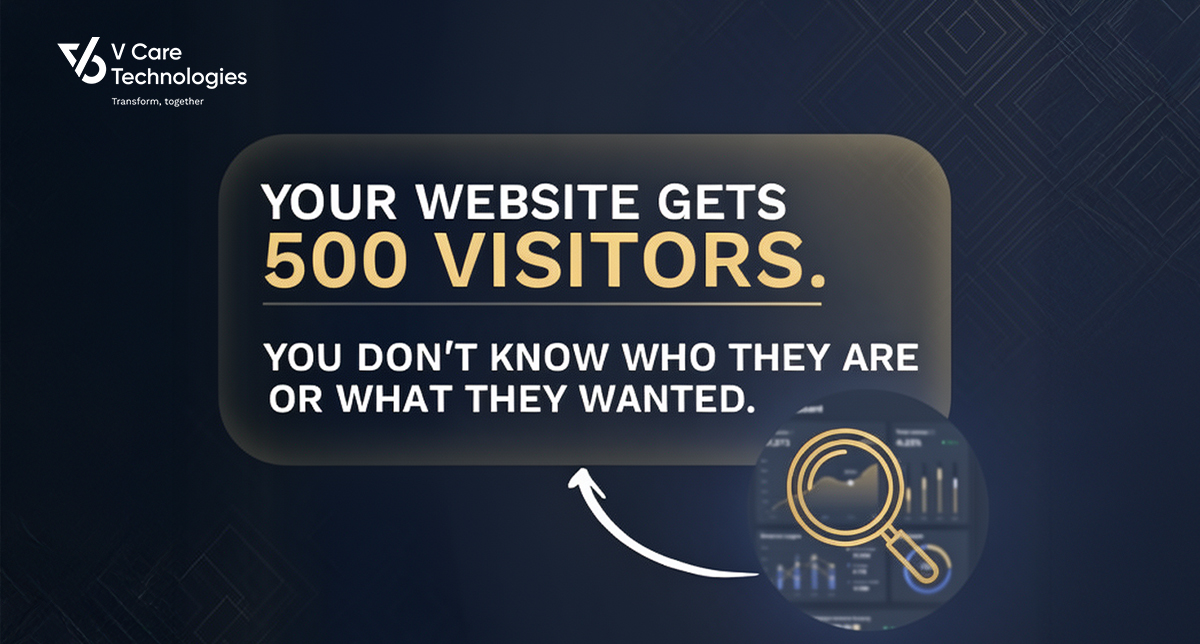
The Invisible Crowd You Know Nothing About
Five hundred people walked into your store last month. You don't know which products they looked at. You don't know which they picked up and put back. You don't know how long they stayed. You don't know if they were from your city or another state.
You don't even know if they were real customers or competitors checking you out.
This scenario sounds absurd for a physical store. You'd have staff observing, security cameras recording, sales patterns tracking.
But this is exactly how most businesses operate their website. Visitors come. Visitors leave. The owner has no idea what happened in between.
What You're Not Seeing
Without analytics, every website visit is a black box. You can't answer basic questions that should guide every business decision.
Which products get attention? If 200 visitors looked at Product A and only 20 looked at Product B, that's crucial information. Maybe Product A needs more inventory. Maybe Product B needs better positioning. Without data, you're guessing.
Where are visitors coming from? Are they finding you through Google search? Social media? Referral links? Knowing this tells you which marketing channels work and which waste money.
What device do they use? If 80% of your visitors are on mobile but your website is designed for desktop, you're frustrating your majority. Device data shapes design priorities.
Where do they drop off? If visitors reach your product page but never click "Contact," something on that page isn't convincing them. Without analytics, you'd never know where the journey breaks.
How long do they stay? A visitor who leaves in 10 seconds never seriously considered you. A visitor who spends 5 minutes was genuinely interested. Understanding engagement time helps assess content quality.
The Discovery That Changed A Business
A garment exporter had been selling primarily to domestic buyers. Their website existed but without analytics, they had no visibility into traffic patterns.
When they finally installed tracking, a surprising discovery emerged. 60% of their website traffic came from UAE and other Gulf countries. Not India.
International buyers were finding their website through Google searches and exploring their catalog. But the website had no international shipping information, no export certifications displayed, and no way to easily inquire for bulk orders.
The business pivoted. They added Arabic language support. They prominently displayed export capabilities. They created a separate inquiry form for international bulk orders.
Within a year, international orders became a significant revenue stream. A business opportunity was sitting in their data, invisible until they looked.
Google Analytics: The Free Tool You Should Have
Google Analytics costs nothing to install and provides more data than most businesses could ever fully utilize.
Basic metrics include: visitor count, page views, session duration, bounce rate, traffic sources, geographic location, device types.
Behavior data shows: which pages get visited, in what sequence, for how long, and at what point visitors exit.
Acquisition data reveals: whether visitors came from search engines, social media, direct visits, or referral links from other websites.
Setting up requires adding a small code snippet to your website. Most website platforms have plugins or built-in integrations for Google Analytics. A basic setup takes 15-30 minutes.
Even if you never look at advanced reports, the basic dashboard tells you more than operating blind.
From Data to Decisions
Data without action is useless. The point of analytics is informing decisions.
If data shows your "About" page has high traffic but high bounce rate, the page isn't answering visitor questions. Rewrite it.
If most traffic arrives via mobile but mobile users leave faster than desktop users, your mobile experience needs work.
If a particular product page gets lots of visits but few inquiries, something on that page isn't convincing. Test different content.
If traffic spikes when you post on LinkedIn but not Instagram, invest more in LinkedIn.
Each data point is a question. Each question leads to an experiment. Each experiment makes your website more effective.
Key Takeaways
· Without analytics, every website visit is a missed learning opportunity
· Google Analytics is free and takes 30 minutes to set up
· Traffic source data tells you which marketing efforts actually work
· Behavioral data reveals where visitors lose interest and leave
· Data enables experiments that progressively improve results
The Bottom Line
Your website visitors are telling you what they want through their behavior. Which pages they read. How long they stay. Where they come from. What makes them leave. But you can only hear them if you're listening. Analytics is free. Setup is simple. Operating without it is like running a store blindfolded. Five hundred people visited you last month. Before another 500 come and go invisible, install tracking and start learning from what they're telling you.